What is AMIDE?
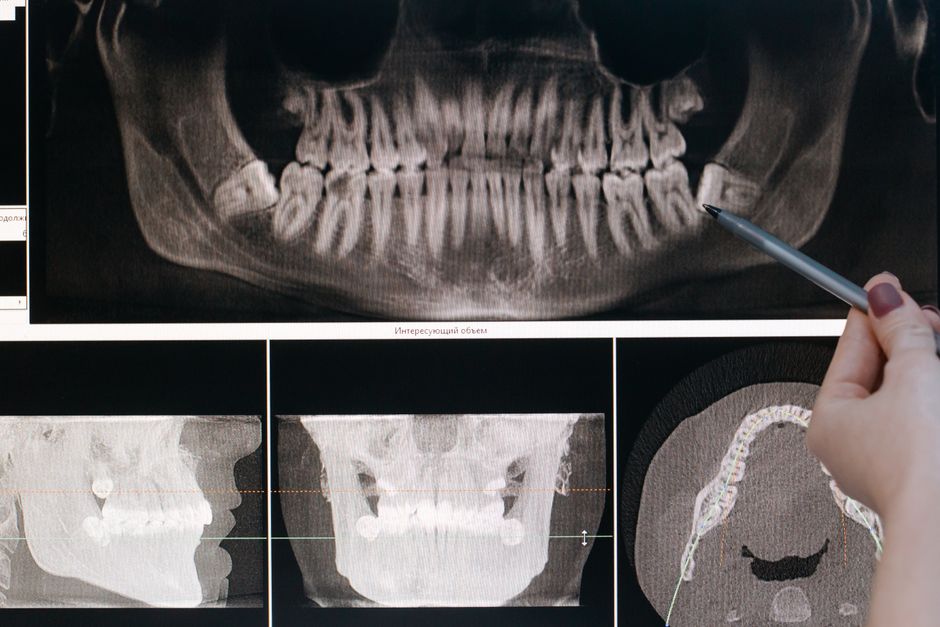
AMIDE (Amide’s Medical Imaging Data Examiner) is a free and open-source software tool designed for viewing, analyzing, and manipulating medical imaging data, particularly in the field of digital radiography and imaging. It is widely used in clinics and labs for its robust features, flexibility, and ease of use. In this article, we will delve into the world of AMIDE, exploring its key features, installation guide, technical specifications, pros and cons, and frequently asked questions.
Main Features of AMIDE
AMIDE offers a wide range of features that make it an ideal choice for medical imaging professionals. Some of its main features include:
- Support for various image formats, including DICOM, Analyze, and NIfTI
- Advanced image processing and analysis capabilities
- 3D visualization and reconstruction tools
- Quantification and measurement tools
- Support for audit logs and encryption for secure data handling
Installation Guide
System Requirements
Before installing AMIDE, ensure that your system meets the following requirements:
- Operating System: Windows, macOS, or Linux
- Processor: 64-bit processor
- Memory: 4 GB RAM or more
- Disk Space: 500 MB or more
Download and Installation
To download AMIDE, visit the official website and follow these steps:
- Click on the “Download” button and select the desired version
- Choose the installation package (Windows, macOS, or Linux)
- Run the installation package and follow the prompts
- Launch AMIDE after installation
Clinical Workflow with Snapshots and Restore Points
Understanding Snapshots and Restore Points
AMIDE allows users to create snapshots and restore points, enabling them to save and revert to specific states of their data. This feature is particularly useful in clinical workflows, where data integrity and reproducibility are crucial.
Creating Snapshots
To create a snapshot in AMIDE, follow these steps:
- Select the data you want to snapshot
- Go to “File” > “Create Snapshot”
- Choose a name and location for the snapshot
- Click “Save” to create the snapshot
Using Restore Points
To use a restore point in AMIDE, follow these steps:
- Select the data you want to restore
- Go to “File” > “Restore Point”
- Choose the desired restore point
- Click “Restore” to revert to the selected state
Technical Specifications
Supported Image Formats
AMIDE supports a wide range of image formats, including:
- DICOM (Digital Imaging and Communications in Medicine)
- Analyze (7.5 and 7.5 compressed)
- NIfTI (Neuroimaging Informatics Technology Initiative)
- Other formats (e.g., PNG, JPEG, TIFF)
System Architecture
AMIDE is built on a modular architecture, allowing for flexibility and customization. The software consists of the following components:
- Core: Handles image processing and analysis
- GUI: Provides the user interface and interaction
- Plugins: Offers additional functionality and features
Pros and Cons
Advantages of AMIDE
AMIDE offers several advantages, including:
- Free and open-source
- Robust features and flexibility
- Easy to use and intuitive interface
- Support for various image formats
- Secure data handling with audit logs and encryption
Limitations of AMIDE
While AMIDE is a powerful tool, it has some limitations, including:
- Steep learning curve for advanced features
- Resource-intensive, requiring significant system resources
- Limited support for certain image formats
FAQ
Frequently Asked Questions
Here are some frequently asked questions about AMIDE:
- Q: Is AMIDE free?
- A: Yes, AMIDE is free and open-source.
- Q: What image formats does AMIDE support?
- A: AMIDE supports various image formats, including DICOM, Analyze, and NIfTI.
- Q: How do I create a snapshot in AMIDE?
- A: To create a snapshot, select the data you want to snapshot, go to “File” > “Create Snapshot