What is AMIDE?
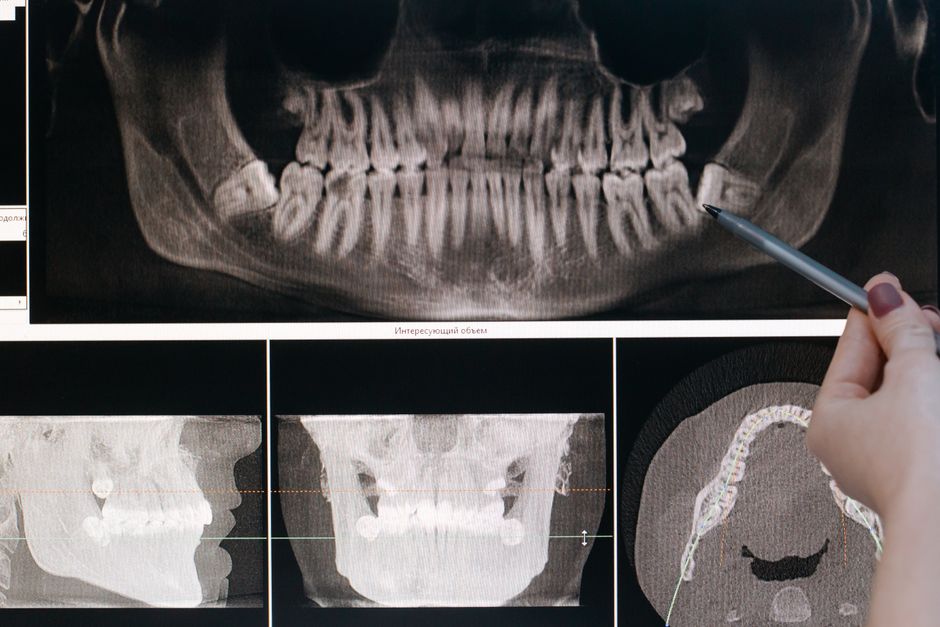
AMIDE (Amide’s a Medical Imaging Data Examiner) is a free, open-source software tool designed for viewing, analyzing, and registering volumetric medical imaging data sets. It is widely used in the field of Digital Radiography and Imaging for its versatility and ease of use. With AMIDE, users can efficiently manage and process large amounts of medical imaging data, making it an indispensable tool for clinics and research institutions.
Main Features
AMIDE offers a range of features that make it an ideal choice for medical imaging data management. Some of its key features include support for various image formats, 3D visualization capabilities, and the ability to perform measurements and registrations.
Installation Guide
System Requirements
Before installing AMIDE, ensure that your system meets the minimum requirements. These include a compatible operating system (Windows, macOS, or Linux), sufficient RAM (at least 4 GB), and a dedicated graphics card for optimal performance.
Download and Installation
AMIDE can be downloaded free of charge from the official website. The installation process is straightforward and involves following the on-screen instructions. Once installed, AMIDE is ready for use.
Technical Specifications
Data Storage and Management
AMIDE allows for efficient data storage and management through its repository planning feature. This enables users to organize and store large amounts of medical imaging data securely, with options for encryption and access controls.
Repository Planning
A well-planned repository is crucial for effective data management. AMIDE’s repository planning feature enables users to create a structured and organized data storage system, ensuring that data is easily accessible and recoverable.
Pros and Cons
Advantages
- Free and open-source, making it accessible to institutions with limited budgets.
- Supports a wide range of image formats and offers advanced visualization capabilities.
- Allows for efficient data management and storage through its repository planning feature.
Disadvantages
- May have a steep learning curve for users without prior experience with medical imaging software.
- Dependent on system specifications, which can affect performance.
Migration and Backup Guide
Safely Migrating to AMIDE
When migrating to AMIDE, it is essential to ensure a safe and secure transition. This involves backing up existing data, configuring the new system, and testing for compatibility.
Backup and Recovery
Regular backups are crucial for data security. AMIDE offers features for creating backups and performing recoveries in case of data loss or system failure.
Comparison with Paid Tools
AMIDE vs Paid Tools
While AMIDE offers a range of features and benefits, it is essential to compare it with paid tools to determine the best option for your institution. Consider factors such as cost, features, and support when making your decision.
Frequently Asked Questions
Q: Is AMIDE free?
A: Yes, AMIDE is free and open-source.
Q: What are the system requirements for AMIDE?
A: AMIDE requires a compatible operating system, at least 4 GB of RAM, and a dedicated graphics card.