What is AMIDE?
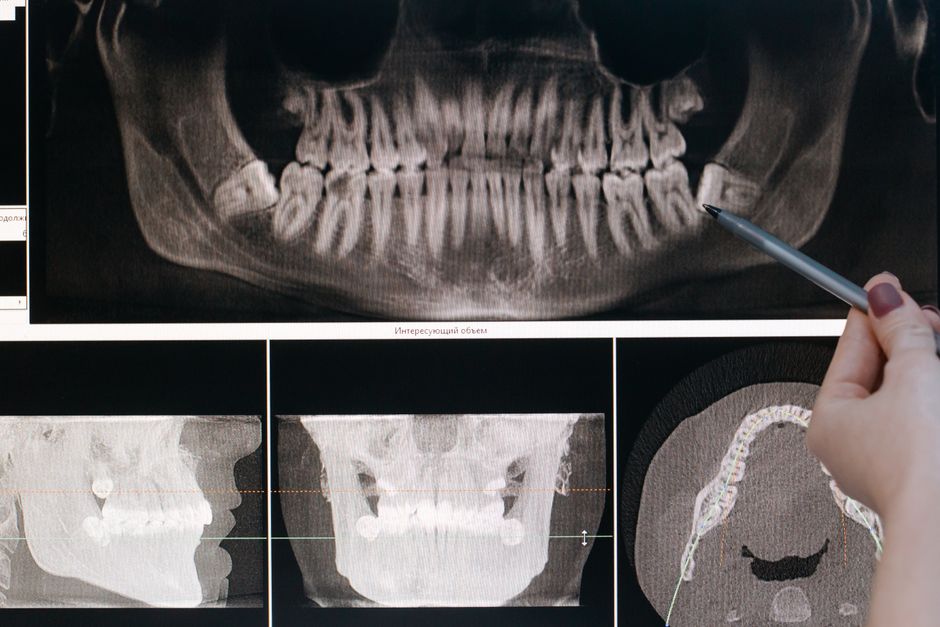
AMIDE (Amide’s a Medical Imaging Data Examiner) is a free, open-source software tool designed for viewing, analyzing, and manipulating medical imaging data, particularly in the field of digital radiography and imaging. It supports a wide range of file formats, including DICOM, which is the standard for medical imaging data. AMIDE is widely used in various medical fields, including dentistry, for its ability to handle complex imaging data with ease.
Main Features of AMIDE
AMIDE offers a plethora of features that make it an indispensable tool for medical imaging professionals. Some of its key features include:
- Support for multiple file formats, including DICOM, TIFF, and JPEG
- Ability to view and analyze 2D and 3D imaging data
- Tools for measuring distances, angles, and densities in images
- Capability to create and manage snapshots and restore points
- Support for secure repositories with encryption for sensitive data
Troubleshooting Common Import Errors in AMIDE
Understanding DICOM Import Errors
One of the most common issues users face when working with AMIDE is importing DICOM files. There are several reasons why DICOM import errors may occur, including corrupted files, incorrect file formatting, and compatibility issues.
Resolving DICOM Import Errors
To resolve DICOM import errors in AMIDE, try the following:
- Verify that the DICOM files are not corrupted and are in the correct format
- Check that the file is compatible with AMIDE’s version and settings
- Try importing the file using a different method or protocol
Installation Guide for AMIDE
System Requirements
Before installing AMIDE, ensure that your system meets the minimum requirements, which include:
- Windows, macOS, or Linux operating system
- At least 2 GB of RAM
- At least 1 GB of free disk space
Downloading and Installing AMIDE
To download and install AMIDE, follow these steps:
- Visit the official AMIDE website and click on the download link
- Select the correct version of AMIDE for your operating system
- Run the installation file and follow the prompts to complete the installation
Technical Specifications of AMIDE
Supported File Formats
AMIDE supports a wide range of file formats, including:
| File Format | Description |
|---|---|
| DICOM | Standard format for medical imaging data |
| TIFF | Tagged Image File Format |
| JPEG | Joint Photographic Experts Group format |
Pros and Cons of Using AMIDE
Advantages of AMIDE
AMIDE offers several advantages, including:
- Free and open-source software
- Support for multiple file formats
- Advanced tools for analyzing and manipulating medical imaging data
Disadvantages of AMIDE
Despite its many advantages, AMIDE also has some disadvantages, including:
- Steep learning curve due to complex features and interface
- Limited support for certain file formats and protocols
FAQ
Frequently Asked Questions About AMIDE
Here are some frequently asked questions about AMIDE:
- Is AMIDE free to use?
- Yes, AMIDE is completely free and open-source software.
- What file formats does AMIDE support?
- AMIDE supports a wide range of file formats, including DICOM, TIFF, and JPEG.