What is AMIDE?
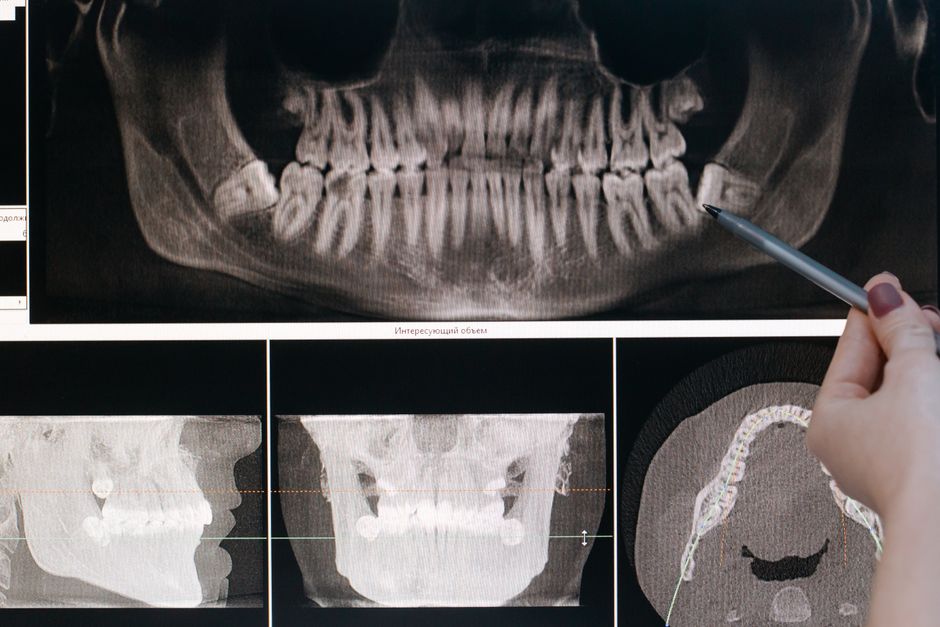
AMIDE is a free and open-source software program designed for digital radiography and imaging workflows. It is widely used in the medical and dental fields for its ability to store, manage, and display medical images. AMIDE is particularly useful for working with DICOM (Digital Imaging and Communications in Medicine) files, which are the standard format for medical imaging. One of the key features of AMIDE is its ability to secure repositories with encryption for dental data, ensuring that sensitive patient information remains protected.
Main Features of AMIDE
Some of the main features of AMIDE include its ability to handle DICOM files, secure data with encryption, and provide restore points and snapshots for safer recovery and steadier operations. AMIDE also allows users to work with a variety of image formats, including JPEG, TIFF, and BMP.
Installation Guide
Downloading AMIDE
AMIDE can be downloaded free of charge from the official website. The download process is straightforward, and the software is compatible with a range of operating systems, including Windows, macOS, and Linux.
System Requirements
Before installing AMIDE, it is essential to ensure that your system meets the minimum requirements. These include a 64-bit processor, 4GB of RAM, and a minimum of 2GB of free disk space. AMIDE also requires a compatible graphics card and a monitor with a resolution of at least 1024×768 pixels.
Troubleshooting Common Import Errors
Common Issues with DICOM Files
One of the most common issues with AMIDE is importing DICOM files. If you are experiencing problems with importing DICOM files, there are several steps you can troubleshoot. Firstly, ensure that the DICOM files are in the correct format and are not corrupted. You can do this by checking the file properties and ensuring that they are in the correct directory.
Resolving Import Errors
If you are still experiencing issues with importing DICOM files, you can try the following steps. Firstly, check the AMIDE logs to see if there are any error messages that can help you identify the problem. You can also try resetting the AMIDE configuration to its default settings. If none of these steps resolve the issue, you may need to seek further support from the AMIDE community or a professional IT specialist.
AMIDE Alternative
Other Options for Digital Radiography and Imaging
If you are looking for an alternative to AMIDE, there are several other options available. Some popular alternatives include 3D Slicer, OsiriX, and ImageJ. Each of these programs has its own unique features and advantages, so it is essential to research and compare them before making a decision.
Technical Specifications
System Requirements
| Specification | Minimum Requirement |
|---|---|
| Processor | 64-bit processor |
| RAM | 4GB |
| Disk Space | 2GB |
| Graphics Card | Compatible graphics card |
| Monitor Resolution | 1024×768 pixels |
Supported File Formats
- DICOM
- JPEG
- TIFF
- BMP
Pros and Cons
Advantages of AMIDE
Some of the advantages of AMIDE include its ability to secure repositories with encryption, its compatibility with a range of operating systems, and its free and open-source nature.
Disadvantages of AMIDE
Some of the disadvantages of AMIDE include its steep learning curve, its limited user interface, and its lack of support for certain file formats.
FAQ
How to Download AMIDE
AMIDE can be downloaded free of charge from the official website.
How to Troubleshoot Common Import Errors
See the troubleshooting guide above for more information on how to resolve common import errors.
Is AMIDE Secure?
Yes, AMIDE is designed to be secure and includes features such as encryption to protect sensitive patient information.