DentiLab 3D (Academic) vs cloud risk: Comprehensive Technical Review for Dental Professionals
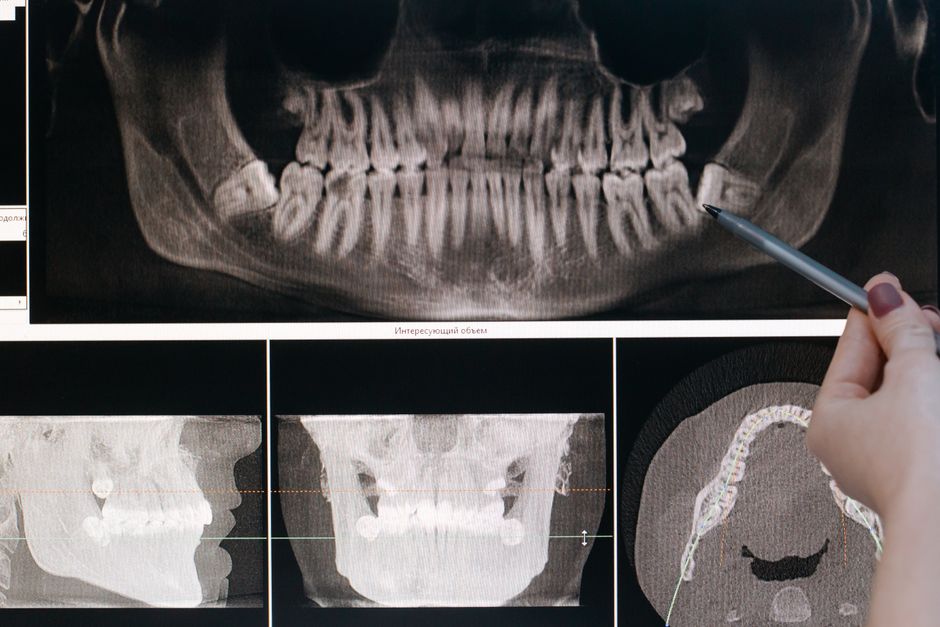
DentiLab 3D (Academic) is a powerful dental planning tool designed for educational institutions and researchers. As a free dental software, it offers a range of features for dental visualization and implant planning. However, with the increasing reliance on cloud-based solutions, it’s essential to evaluate the risks associated with using DentiLab 3D (Academic) in a cloud environment. In this article, we’ll delve into the features, setup, and benefits of DentiLab 3D (Academic) while exploring the potential risks of using it in the cloud.
Installation Process Overview
Before diving into the features and benefits of DentiLab 3D (Academic), it’s crucial to understand the installation process. The software is available for download on the official website, and the installation process is relatively straightforward. However, it’s essential to ensure that your system meets the minimum requirements to avoid any compatibility issues.
System Requirements
| Operating System | Processor | Memory | Graphics Card |
|---|---|---|---|
| Windows 10/8/7 | Intel Core i3 or AMD equivalent | 8 GB RAM | NVIDIA GeForce GTX 1060 or AMD equivalent |
Once the software is installed, you can begin exploring its features and tools.
Key Features and Tools
DentiLab 3D (Academic) offers a range of features and tools designed specifically for dental professionals. Some of the key features include:
- 3D visualization and modeling
- Implant planning and simulation
- Crown and bridge design
- Orthodontic treatment planning
These features enable dental professionals to create accurate 3D models, plan complex implant procedures, and design crowns and bridges with precision.
How to Model Crowns in DentiLab 3D (Academic)
Modeling crowns in DentiLab 3D (Academic) is a straightforward process. Simply import the patient’s data, create a 3D model, and use the software’s tools to design the crown. The software also allows for the export of models in various formats, including STL and OBJ.
DentiLab 3D (Academic) vs Meshmixer Export
When it comes to exporting models, DentiLab 3D (Academic) offers a range of options. However, when compared to Meshmixer, DentiLab 3D (Academic) offers more flexibility and customization options. The software allows for the export of models in various formats, including STL, OBJ, and AMF.
| Software | Export Formats | Customization Options |
|---|---|---|
| DentiLab 3D (Academic) | STL, OBJ, AMF | Yes |
| Meshmixer | STL, OBJ | No |
DentiLab 3D (Academic) Template Error
One common issue users may encounter is the template error. This error occurs when the software is unable to load the template file. To resolve this issue, simply reinstall the software or contact the support team.
DentiLab 3D (Academic) Lag Error
Another common issue is the lag error, which occurs when the software is running slowly. To resolve this issue, simply close any unnecessary programs, update the graphics drivers, or consider upgrading the system hardware.
| Error | Solution |
|---|---|
| Template Error | Reinstall software or contact support team |
| Lag Error | Close unnecessary programs, update graphics drivers, or upgrade system hardware |
In conclusion, DentiLab 3D (Academic) is a powerful dental planning tool designed for educational institutions and researchers. While it offers a range of features and tools, it’s essential to evaluate the risks associated with using it in a cloud environment. By understanding the installation process, key features, and common errors, dental professionals can effectively use DentiLab 3D (Academic) to enhance their workflow and patient care.