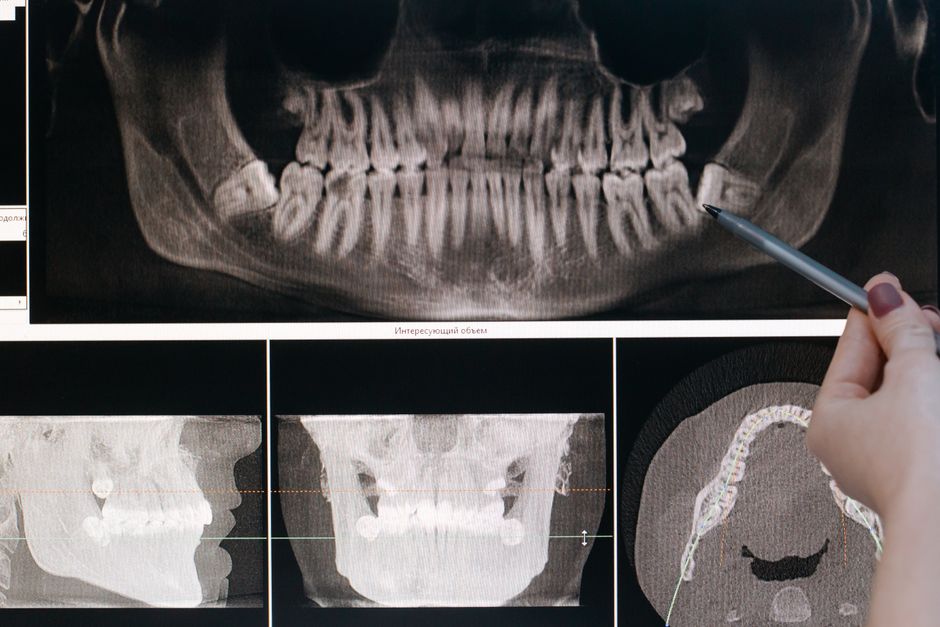
What is MicroDicom?
MicroDicom is a free, open-source software designed for Digital Radiography and Imaging (DR and DI) workflows. It provides a comprehensive platform for medical image management, analysis, and storage. With MicroDicom, clinics and healthcare institutions can efficiently manage medical images, maintain patient records, and ensure secure data exchange.
Main Features of MicroDicom
MicroDicom offers an array of features that cater to the specific needs of DR and DI workflows. Some of the key features include image viewing, processing, and analysis; DICOM, JPEG, and other image format support; image annotation and measurement tools; and secure data storage and encryption.
MicroDicom also allows for the creation of customized workflows, enabling healthcare professionals to tailor the software to their specific needs. Furthermore, the software supports multiple languages, making it accessible to a broader user base.
Benefits of Using MicroDicom
Advantages Over Paid Tools
MicroDicom offers several advantages over paid tools, including its free and open-source nature. This makes it an attractive option for clinics and healthcare institutions with limited budgets. Additionally, MicroDicom’s customization capabilities allow users to tailor the software to their specific needs, which may not be possible with paid tools.
Secure Data Handling
MicroDicom prioritizes secure data handling, with features such as encryption and secure data storage. This ensures that sensitive patient data is protected and secure. The software also allows for the creation of restore points and snapshots, making it easier to recover data in case of errors or system failures.
Installation Guide
System Requirements
Before installing MicroDicom, ensure that your system meets the minimum requirements. These include a 64-bit operating system, a minimum of 4 GB RAM, and a compatible graphics card.
Step-by-Step Installation
1. Download the MicroDicom installation package from the official website.
2. Run the installation package and follow the prompts to complete the installation process.
3. Once installed, launch MicroDicom and follow the on-screen instructions to complete the setup process.
Clinic Deployment Guide
Pre-Deployment Checklist
Before deploying MicroDicom in your clinic, ensure that you have completed the following steps:
- Verified your system meets the minimum requirements
- Installed MicroDicom on a test machine
- Configured the software to meet your clinic’s specific needs
Rollout and Training
Once you have completed the pre-deployment checklist, you can begin rolling out MicroDicom to your clinic’s workstations. Provide comprehensive training to your staff to ensure they are comfortable using the software.
How to Migrate Safely to MicroDicom
Backup and Data Migration
Before migrating to MicroDicom, ensure that you have backed up all your medical images and data. This will prevent data loss in case of errors or system failures during the migration process.
Configuring MicroDicom for Data Migration
Configure MicroDicom to accept data from your existing system. This may involve setting up data import scripts or configuring the software to communicate with your existing system.
Technical Specifications
System Requirements
| Component | Minimum Requirements |
|---|---|
| Operating System | 64-bit Windows or Linux |
| RAM | 4 GB |
| Graphics Card | Compatible with DirectX 9 or higher |
Supported Image Formats
MicroDicom supports a wide range of image formats, including DICOM, JPEG, PNG, and more.
Pros and Cons of Using MicroDicom
Advantages
MicroDicom offers several advantages, including its free and open-source nature, customization capabilities, and secure data handling features.
Disadvantages
Some users may find the software’s user interface to be complex, and the learning curve may be steep for those without prior experience with DR and DI workflows.
FAQ
Q: Is MicroDicom compatible with my existing system?
A: MicroDicom is designed to be compatible with a wide range of systems. However, it is recommended that you verify compatibility before deploying the software.
Q: How do I configure MicroDicom for secure data handling?
A: MicroDicom provides a range of features for secure data handling, including encryption and secure data storage. Consult the user manual for detailed instructions on configuring these features.