What is OpenAnatomy Dental Atlas?
OpenAnatomy Dental Atlas is a comprehensive educational and visual tool designed for dental professionals and students. It offers a unique platform for exploring and understanding dental anatomy through interactive and immersive experiences. This article provides an in-depth overview of the OpenAnatomy Dental Atlas, including its features, installation guide, technical specifications, pros, and cons, as well as a comparison with paid tools.
Main Features of OpenAnatomy Dental Atlas
OpenAnatomy Dental Atlas boasts an array of features that make it an invaluable resource for dental education and practice. Some of its main features include:
- Interactive 3D models of dental structures
- Multi-language support for a broader user base
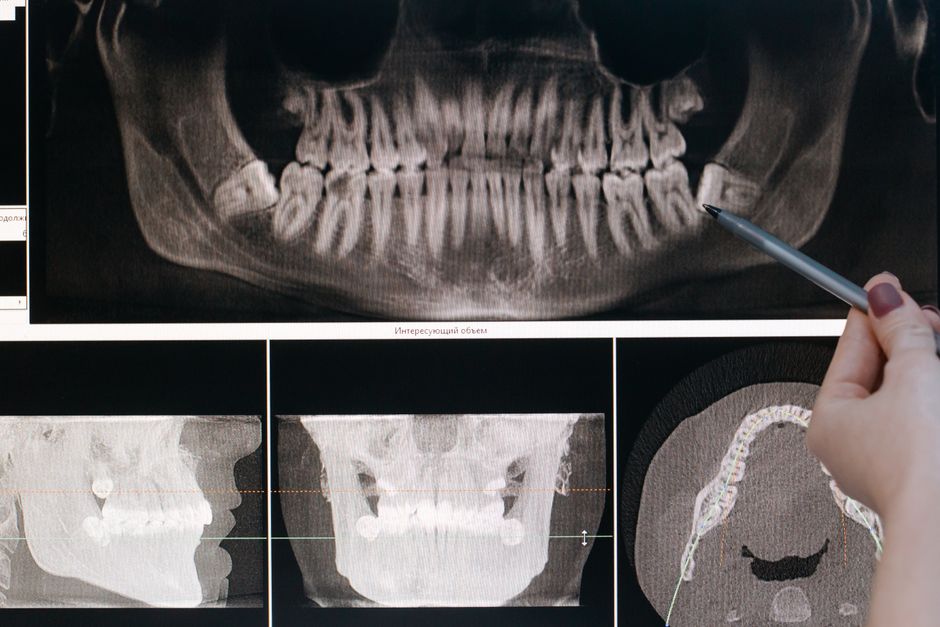
- DICOM import and export capabilities for seamless integration with other dental software
- Advanced visualization tools for enhanced learning and diagnosis
Installation Guide
System Requirements
Before installing OpenAnatomy Dental Atlas, ensure your system meets the following requirements:
- Operating System: Windows 10 or macOS High Sierra (or later)
- Processor: Intel Core i5 or AMD equivalent
- Memory: 8 GB RAM (16 GB recommended)
- Storage: 256 GB available space
Download and Installation
Download the OpenAnatomy Dental Atlas software from the official website and follow these steps:
- Run the installer and follow the prompts
- Accept the terms and conditions
- Choose the installation location and click ‘Install’
- Wait for the installation to complete
Technical Specifications
File Formats
OpenAnatomy Dental Atlas supports the following file formats:
- DICOM
- NIfTI
- OBJ
Security Measures
The software employs robust security measures to protect user data, including:
- Encryption for stored data
- Secure login and password protection
- Regular software updates for vulnerability patches
Pros and Cons
Advantages
OpenAnatomy Dental Atlas offers several benefits, including:
- Cost-effective solution for dental education and practice
- Interactive and immersive learning experiences
- Multi-language support for a broader user base
Disadvantages
Some limitations of OpenAnatomy Dental Atlas include:
- Limited compatibility with older operating systems
- Steep learning curve for some users
- Limited customer support compared to paid tools
Comparison with Paid Tools
OpenAnatomy Dental Atlas vs. Paid Alternatives
While OpenAnatomy Dental Atlas offers many features and benefits, it’s essential to compare it with paid alternatives. Some key differences include:
| Feature | OpenAnatomy Dental Atlas | Paid Alternatives |
|---|---|---|
| Cost | Free | Subscription-based or one-time purchase |
| Customer Support | Limited | Priority support and tutorials |
| Compatibility | Limited to newer operating systems | Broader compatibility with older systems |
Frequently Asked Questions
How to Handle Backups in OpenAnatomy Dental Atlas
To ensure data safety, it’s essential to regularly back up your OpenAnatomy Dental Atlas data. You can do this by:
- Exporting data to an external drive or cloud storage
- Using the built-in backup feature (available in the software settings)
DICOM Import and Export Tutorial
To import or export DICOM files in OpenAnatomy Dental Atlas:
- Go to the ‘File’ menu and select ‘Import’ or ‘Export’
- Choose the DICOM file format and select the file location
- Follow the prompts to complete the import or export process