What is OpenAnatomy Dental Atlas?
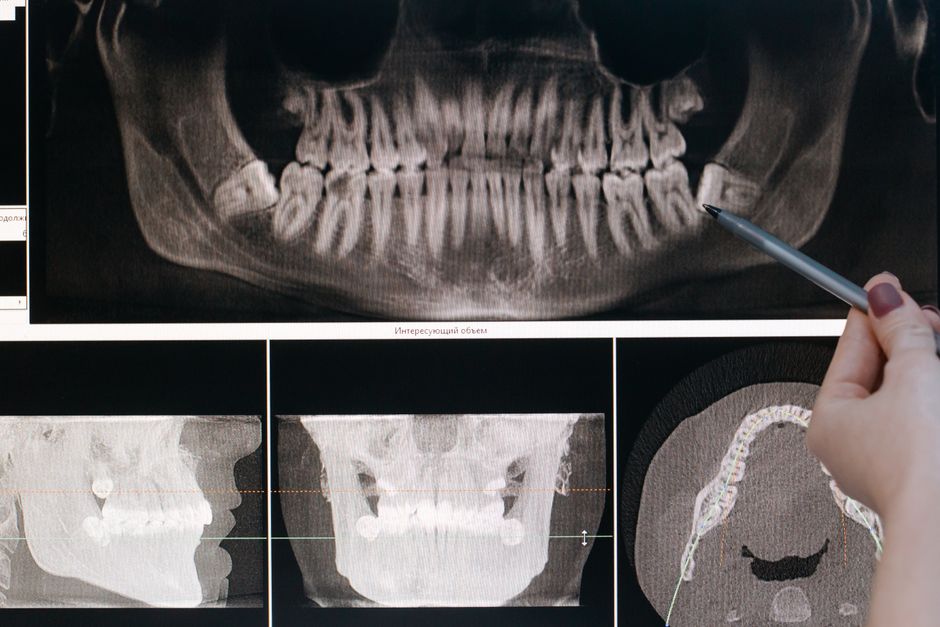
The OpenAnatomy Dental Atlas is a cutting-edge educational tool designed to revolutionize the way dental professionals and students learn about dental anatomy. Developed with the latest technology and expertise, this innovative platform provides an immersive and interactive experience, making it easier to understand complex dental structures and relationships.
Main Features and Benefits
The OpenAnatomy Dental Atlas boasts an impressive array of features that make it an indispensable resource for dental education and practice. Some of the key benefits include:
- High-resolution 3D models of dental structures, allowing for detailed exploration and analysis
- Interactive tools and features, such as zoom, rotate, and label, to facilitate a deeper understanding of dental anatomy
- A comprehensive library of case studies and tutorials, providing real-world examples and applications
- Collaboration and sharing capabilities, enabling users to work together and share knowledge
Installation Guide
System Requirements
Before installing the OpenAnatomy Dental Atlas, ensure that your system meets the following requirements:
| Operating System | Windows 10 or macOS High Sierra (or later) |
|---|---|
| Processor | Intel Core i5 or AMD equivalent (or later) |
| Memory | 8 GB RAM (or more) |
| Graphics Card | NVIDIA GeForce GTX 1060 or AMD Radeon RX 580 (or later) |
Step-by-Step Installation
Follow these steps to install the OpenAnatomy Dental Atlas:
- Download the installation package from the official website
- Run the installer and follow the prompts to select the installation location and options
- Wait for the installation to complete, which may take several minutes
- Launch the OpenAnatomy Dental Atlas and activate your license
Technical Specifications
File Formats and Compatibility
The OpenAnatomy Dental Atlas supports a range of file formats, including:
- DICOM (Digital Imaging and Communications in Medicine)
- NIfTI (Neuroimaging Informatics Technology Initiative)
- OBJ (Object File Format)
The platform is also compatible with various operating systems, including Windows and macOS.
Pros and Cons
Advantages
The OpenAnatomy Dental Atlas offers several advantages, including:
- Enhanced learning and understanding of dental anatomy
- Improved collaboration and knowledge-sharing
- Increased efficiency and productivity
Disadvantages
Some potential drawbacks to consider:
- Steep learning curve for some users
- High system requirements
- Limited compatibility with certain file formats
FAQ
How to Handle Backups
Regular backups are essential to ensure that your data and progress are safe. To back up your OpenAnatomy Dental Atlas data:
- Go to the ‘Settings’ menu and select ‘Backup’
- Choose the backup location and options
- Wait for the backup to complete
DICOM Import and Export Tutorial
Importing and exporting DICOM files is a straightforward process. To import a DICOM file:
- Go to the ‘File’ menu and select ‘Import’
- Choose the DICOM file and select the import options
- Wait for the import to complete
To export a DICOM file:
- Go to the ‘File’ menu and select ‘Export’
- Choose the DICOM file and select the export options
- Wait for the export to complete
Alternatives and Downloads
Best Alternative to OpenAnatomy Dental Atlas
If you’re looking for alternative dental anatomy software, consider:
- Dental Anatomy Atlas by Visible Body
- 3D Dental Anatomy by BioDigital
Download OpenAnatomy Dental Atlas Free
A free trial or demo version of the OpenAnatomy Dental Atlas may be available for download from the official website. Please note that some features may be limited or restricted in the free version.