OpenAnatomy Dental Atlas surgical planning: Comprehensive Guide for Precise Dental Visualization
The OpenAnatomy Dental Atlas is a powerful tool designed to aid in dental visualization and surgical planning. This innovative software provides a comprehensive platform for dental professionals to plan and execute complex procedures with greater accuracy. In this article, we will delve into the features, benefits, and setup process of the OpenAnatomy Dental Atlas, highlighting its potential to revolutionize the field of dentistry.
Key Features and Functionalities
The OpenAnatomy Dental Atlas boasts a range of impressive features that make it an indispensable tool for dental clinics. Some of the key functionalities include:
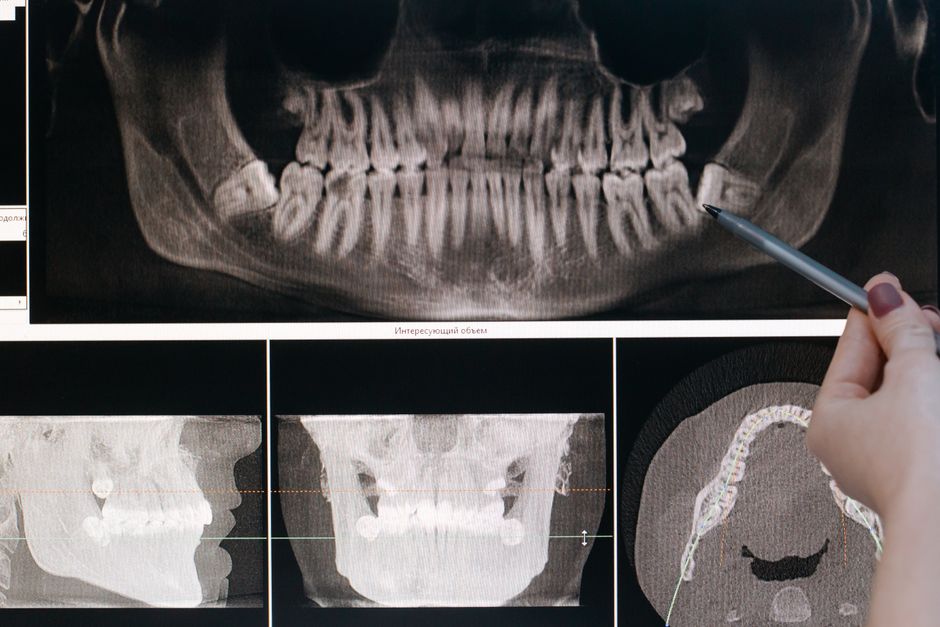
- 3D Visualization: The software allows for the creation of highly detailed 3D models of dental structures, facilitating a deeper understanding of complex anatomical relationships.
- Implant Planning: The OpenAnatomy Dental Atlas provides a precise and intuitive platform for planning dental implant procedures, enabling practitioners to achieve optimal results.
- Collaboration Tools: The software allows for seamless collaboration between dental professionals, ensuring that all parties involved in a patient’s care are on the same page.
These features, among others, make the OpenAnatomy Dental Atlas an invaluable resource for dental clinics seeking to enhance their surgical planning capabilities.

Setup Process and System Requirements
To ensure a smooth and efficient setup process, it is essential to verify that your system meets the minimum requirements for the OpenAnatomy Dental Atlas. These requirements include:
| System Requirement | Minimum Specification |
|---|---|
| Operating System | Windows 10 (64-bit) or macOS High Sierra (or later) |
| Processor | Intel Core i5 (or equivalent) |
| Memory | 8 GB RAM (16 GB recommended) |
| Graphics Card | NVIDIA GeForce GTX 1060 (or equivalent) |
Once your system meets these requirements, you can proceed with the setup process, which typically involves downloading and installing the software, followed by a series of prompts to configure your preferences.
Troubleshooting Common Issues
While the OpenAnatomy Dental Atlas is a robust and reliable tool, users may occasionally encounter issues with the software. Some common problems and their corresponding solutions include:
| Issue | Solution |
|---|---|
| OpenAnatomy Dental Atlas won’t launch | Verify that your system meets the minimum requirements, and ensure that the software is properly installed. |
| OpenAnatomy Dental Atlas download fix patch | Check the official website for any available updates or patches, and follow the provided instructions for installation. |
| Download OpenAnatomy Dental Atlas free tool | Be cautious of unauthorized downloads, as they may compromise the security and integrity of the software. |
By being aware of these common issues and their solutions, you can minimize downtime and ensure a seamless user experience with the OpenAnatomy Dental Atlas.
Comparison with Other Dental Software
The OpenAnatomy Dental Atlas is part of a broader landscape of dental software solutions. When comparing the OpenAnatomy Dental Atlas with other popular options, several key differences emerge:
| Software | Key Features | Pricing |
|---|---|---|
| OpenAnatomy Dental Atlas | 3D visualization, implant planning, collaboration tools | Subscription-based (contact vendor for pricing) |
| Dental Wings | 3D printing, dental CAD/CAM, implant planning | One-time purchase (contact vendor for pricing) |
| Exocad | Dental CAD/CAM, 3D printing, implant planning | Subscription-based (contact vendor for pricing) |
While each software has its unique strengths and weaknesses, the OpenAnatomy Dental Atlas is distinguished by its advanced 3D visualization capabilities and intuitive interface.
In conclusion, the OpenAnatomy Dental Atlas is a powerful tool that offers a range of benefits for dental clinics seeking to enhance their surgical planning capabilities. By understanding its features, setup process, and potential issues, practitioners can unlock the full potential of this innovative software and achieve improved patient outcomes.