What is OpenAnatomy Dental Atlas?
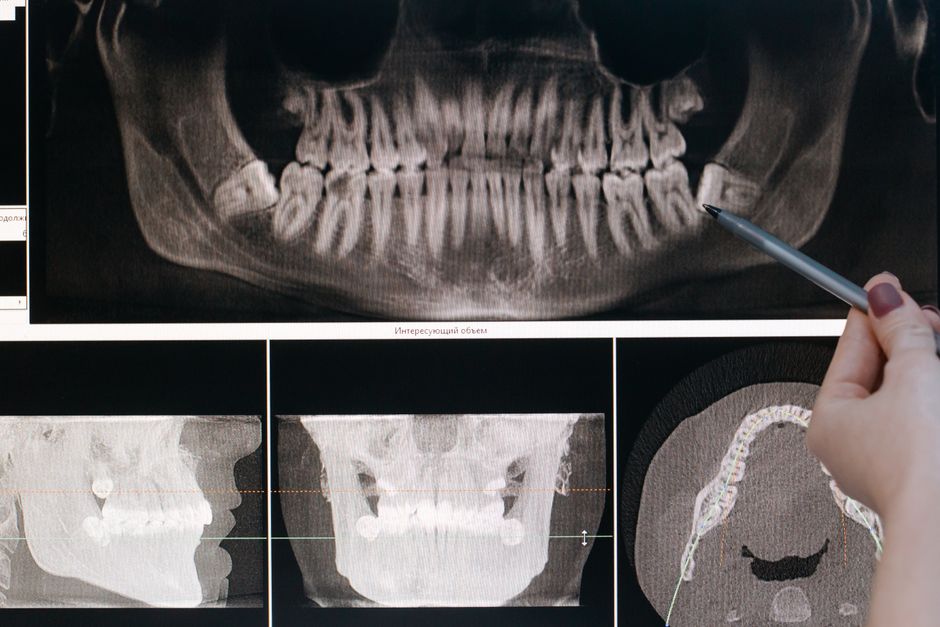
The OpenAnatomy Dental Atlas is a comprehensive educational tool designed for dental professionals and students. It provides an interactive 3D environment for exploring the anatomy of the mouth, teeth, and surrounding tissues. This innovative software aims to enhance the learning experience by offering a detailed and realistic representation of dental anatomy.
Main Features
The OpenAnatomy Dental Atlas boasts several key features that make it an invaluable resource for dental education. These include:
- Interactive 3D models that allow users to explore and manipulate dental structures in real-time.
- Accurate and detailed anatomy that reflects the latest research and discoveries in the field of dental anatomy.
- Customizable views and settings that enable users to tailor their learning experience to their individual needs.
Installation Guide
System Requirements
Before installing the OpenAnatomy Dental Atlas, ensure that your computer meets the following system requirements:
- Operating System: Windows 10 or macOS High Sierra (or later)
- Processor: Intel Core i5 or AMD equivalent
- Memory: 8 GB RAM (16 GB recommended)
- Graphics: NVIDIA GeForce GTX 1060 or AMD Radeon RX 580
Installation Steps
Follow these steps to install the OpenAnatomy Dental Atlas:
- Download the installation package from the official website.
- Run the installer and follow the prompts to select the installation location and language.
- Wait for the installation to complete and then launch the application.
3D Planning Workflow with Reliable Restore Points
Overview
The OpenAnatomy Dental Atlas offers a comprehensive 3D planning workflow that enables users to create detailed treatment plans and simulations. This workflow is designed to be flexible and reliable, with multiple restore points and snapshots that allow users to easily revert to previous versions of their work.
Key Features
The 3D planning workflow in the OpenAnatomy Dental Atlas includes the following key features:
- Restore points that allow users to save and revert to previous versions of their work.
- Snapshot management that enables users to create and manage multiple snapshots of their work.
- Repositories that provide a centralized location for storing and managing 3D models and other resources.
Pros and Cons
Advantages
The OpenAnatomy Dental Atlas offers several advantages, including:
- Improved learning outcomes through interactive and immersive 3D models.
- Enhanced patient communication through detailed and realistic visualizations.
- Increased efficiency through streamlined workflows and intuitive interfaces.
Disadvantages
Some potential disadvantages of the OpenAnatomy Dental Atlas include:
- Steep learning curve due to the complexity and depth of the software.
- System requirements that may be demanding for some users.
- Cost that may be prohibitively expensive for some users.
FAQ
General Questions
Q: What is the OpenAnatomy Dental Atlas?
A: The OpenAnatomy Dental Atlas is a comprehensive educational tool designed for dental professionals and students.
Q: What are the system requirements for the OpenAnatomy Dental Atlas?
A: The system requirements for the OpenAnatomy Dental Atlas include Windows 10 or macOS High Sierra (or later), Intel Core i5 or AMD equivalent, 8 GB RAM (16 GB recommended), and NVIDIA GeForce GTX 1060 or AMD Radeon RX 580.
Q: How do I install the OpenAnatomy Dental Atlas?
A: Follow the installation guide provided above.