Python scripting in Virtual Patient Dental: Mastering Advanced Techniques
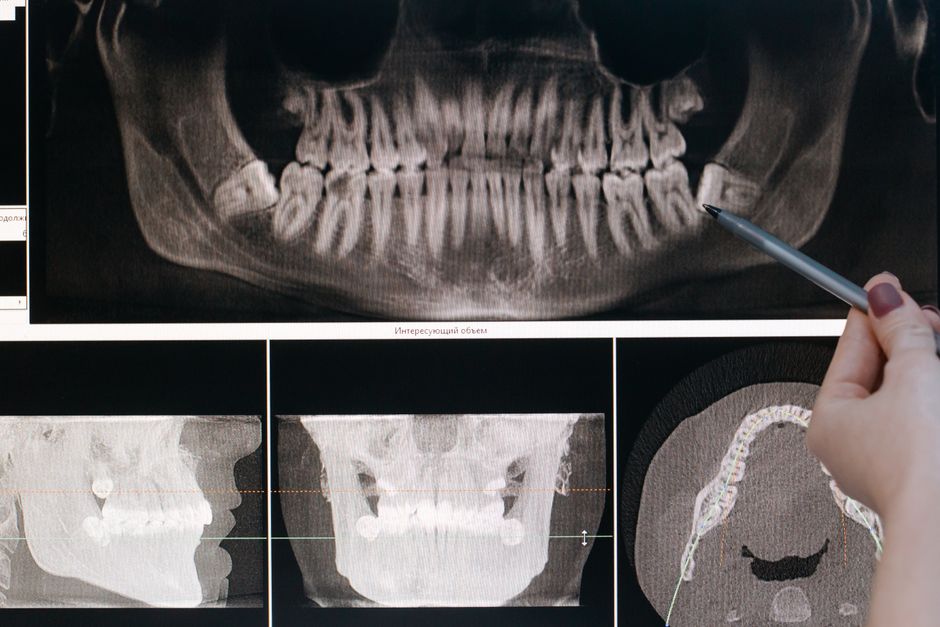
Virtual Patient Dental is a cutting-edge dental planning tool that offers a range of features to enhance the dental visualization and implant planning experience. One of the key features of Virtual Patient Dental is its support for Python scripting, which allows users to automate and customize their workflow. In this article, we will explore the capabilities of Python scripting in Virtual Patient Dental and provide a comprehensive guide on how to get started.
Key Features of Virtual Patient Dental
Virtual Patient Dental offers a range of features that make it an ideal tool for dental clinics. Some of the key features include:
- Advanced 3D visualization capabilities
- Implant planning and simulation
- Free prosthetic tool for creating custom prosthetics
- Download option for easy sharing and collaboration
- Printing workflow guide for seamless integration with 3D printing technology
These features, combined with the power of Python scripting, make Virtual Patient Dental a powerful tool for dental professionals.
Getting Started with Python Scripting in Virtual Patient Dental
To get started with Python scripting in Virtual Patient Dental, users will need to have a basic understanding of Python programming. Virtual Patient Dental provides a range of resources and tutorials to help users get started, including a comprehensive user manual and online support forum.
Once users have a basic understanding of Python, they can start exploring the advanced features of Virtual Patient Dental, including:
- Automating repetitive tasks and workflows
- Creating custom tools and plugins
- Integrating with other software and systems
By leveraging the power of Python scripting, users can unlock the full potential of Virtual Patient Dental and take their dental planning and implant simulation to the next level.
Teaching Virtual Patient Dental: Tips and Best Practices
Virtual Patient Dental is an ideal tool for teaching dental students and professionals. Its intuitive interface and advanced features make it easy to learn and use, even for those with limited experience with dental software.
Here are some tips and best practices for teaching Virtual Patient Dental:
- Start with the basics: Begin by teaching students the fundamental principles of dental planning and implant simulation.
- Use real-world examples: Use real-world examples and case studies to illustrate the concepts and features of Virtual Patient Dental.
- Encourage experimentation: Encourage students to experiment with different features and tools to develop their skills and confidence.
By following these tips and best practices, educators can help students get the most out of Virtual Patient Dental and prepare them for success in the dental industry.
| Feature | Virtual Patient Dental | Competitor 1 | Competitor 2 |
|---|---|---|---|
| Advanced 3D visualization | Yes | No | Yes |
| Implant planning and simulation | Yes | No | No |
| Free prosthetic tool | Yes | No | No |
| Feature | Virtual Patient Dental | Competitor 1 | Competitor 2 |
|---|---|---|---|
| Download option | Yes | No | Yes |
| Printing workflow guide | Yes | No | No |
| Python scripting support | Yes | No | No |
| Feature | Virtual Patient Dental | Competitor 1 | Competitor 2 |
|---|---|---|---|
| User interface | Intuitive and user-friendly | Complex and difficult to use | Average |
| Customer support | Comprehensive and responsive | Limited and unresponsive | Average |
| Cost | Competitive and affordable | Expensive | Average |
Virtual Patient Dental is a powerful tool for dental professionals, offering a range of advanced features and capabilities. Its support for Python scripting makes it an ideal choice for those looking to automate and customize their workflow. With its intuitive interface and comprehensive customer support, Virtual Patient Dental is an excellent choice for dental clinics and educators.