What is Virtual Patient Dental?
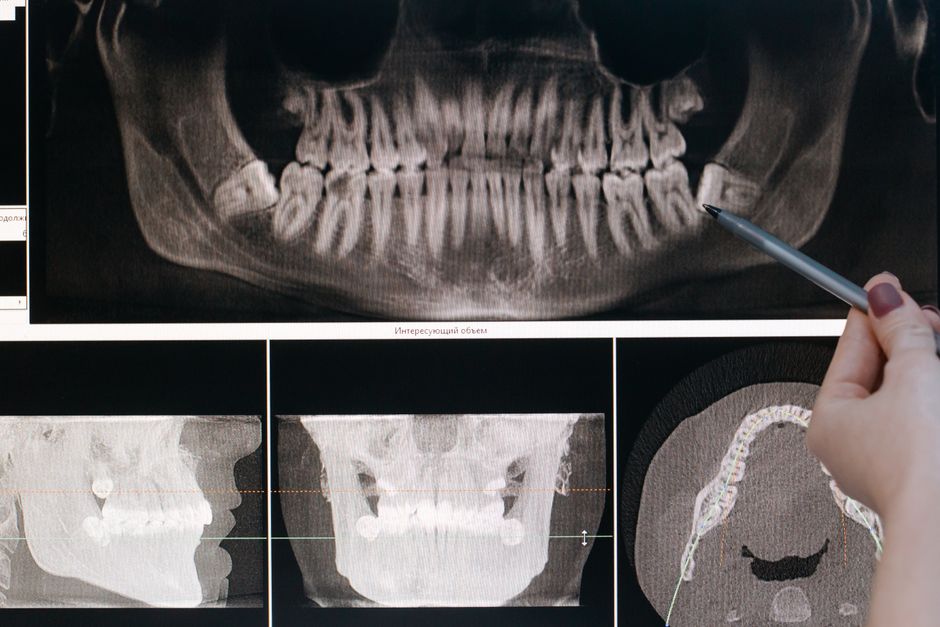
Virtual Patient Dental is a cutting-edge educational tool designed to revolutionize the way dental professionals and students learn and practice dentistry. This innovative software allows users to simulate real-world dental scenarios, honing their skills and decision-making abilities in a safe and controlled environment.
Main Features
Virtual Patient Dental boasts an impressive array of features that set it apart from traditional educational tools. These include:
- Realistic patient simulations: Users can interact with virtual patients, each with their own unique set of needs and challenges.
- Customizable scenarios: Educators can create tailored learning experiences that cater to specific curriculum requirements or skill levels.
- Advanced analytics: The software provides detailed feedback and assessment metrics, enabling users to track their progress and identify areas for improvement.
Installation Guide
System Requirements
To ensure seamless installation and operation, please ensure your system meets the following requirements:
| Operating System | Windows 10 or macOS High Sierra (or later) |
|---|---|
| Processor | Intel Core i5 or AMD equivalent |
| Memory | 8 GB RAM (16 GB recommended) |
| Graphics | NVIDIA GeForce GTX 1060 or AMD Radeon RX 580 |
Step-by-Step Installation
Follow these steps to install Virtual Patient Dental:
- Download the installation package from the official website.
- Run the installer and follow the on-screen prompts.
- Accept the terms and conditions, then select the installation location.
- Wait for the installation to complete, then launch the software.
Clinic Deployment Guide with Backups and Rollbacks
Pre-Deployment Checklist
Before deploying Virtual Patient Dental in a clinical setting, ensure you have:
- Conducted thorough testing: Verify that the software functions as expected in your specific environment.
- Configured user roles and permissions: Establish clear access controls to safeguard sensitive patient data.
- Implemented robust backup and recovery procedures: Regularly back up critical data and have a plan in place for swift recovery in case of system failure.
Best Practices for Backups and Rollbacks
To ensure business continuity and minimize downtime, adhere to these guidelines:
- Perform regular backups: Schedule automated backups at least daily, with multiple restore points available.
- Store backups securely: Use encrypted storage solutions, both locally and in the cloud, to protect sensitive data.
- Test restore procedures: Regularly verify that backups can be successfully restored in case of system failure.
How to Migrate Safely to Virtual Patient Dental
Pre-Migration Checklist
Before migrating to Virtual Patient Dental, ensure you have:
- Assessed current infrastructure: Evaluate your existing hardware and software to determine compatibility and potential upgrade requirements.
- Planned for data migration: Develop a strategy for transferring existing patient data, ensuring minimal disruption to clinical operations.
- Trained staff and educators: Provide comprehensive training to ensure a smooth transition and optimal use of the new software.
Step-by-Step Migration Guide
Follow these steps to migrate safely to Virtual Patient Dental:
- Conduct a thorough assessment of your current infrastructure and identify potential upgrade requirements.
- Develop a data migration plan, ensuring minimal disruption to clinical operations.
- Provide comprehensive training to staff and educators on the new software.
- Perform a phased rollout, starting with a small pilot group to test and refine the migration process.
Pros and Cons of Virtual Patient Dental
Advantages
Virtual Patient Dental offers numerous benefits, including:
- Enhanced realism and immersion: Simulated patient interactions provide a more engaging and effective learning experience.
- Improved patient safety: Reduced risk of complications and errors, as users can practice and hone their skills in a controlled environment.
- Increased efficiency: Streamlined workflows and reduced administrative burdens enable educators to focus on teaching and mentoring.
Disadvantages
While Virtual Patient Dental offers many advantages, some potential drawbacks to consider include:
- Initial investment costs: The software requires a significant upfront investment, including hardware and licensing fees.
- Steep learning curve: Users may require extensive training to become proficient in the software, potentially impacting productivity.
- Dependence on technology: Technical issues or system failures can disrupt clinical operations and impact the learning experience.
FAQ
Frequently Asked Questions
Here are some common questions and answers about Virtual Patient Dental:
| Q: What is the minimum system requirement for Virtual Patient Dental? | A: The minimum system requirement is Windows 10 or macOS High Sierra (or later), with an Intel Core i5 or AMD equivalent processor, 8 GB RAM (16 GB recommended), and NVIDIA GeForce GTX 1060 or AMD Radeon RX 580 graphics. |
|---|---|
| Q: Can I customize the software to meet my specific needs? | A: Yes, Virtual Patient Dental allows educators to create tailored learning experiences that cater to specific curriculum requirements or skill levels. |
| Q: How do I migrate my existing patient data to Virtual Patient Dental? | A: Develop a data migration plan, ensuring minimal disruption to clinical operations, and follow the step-by-step migration guide provided. |