DentiLab 3D (Academic) vs cloud risk: Mastering Dental Visualization
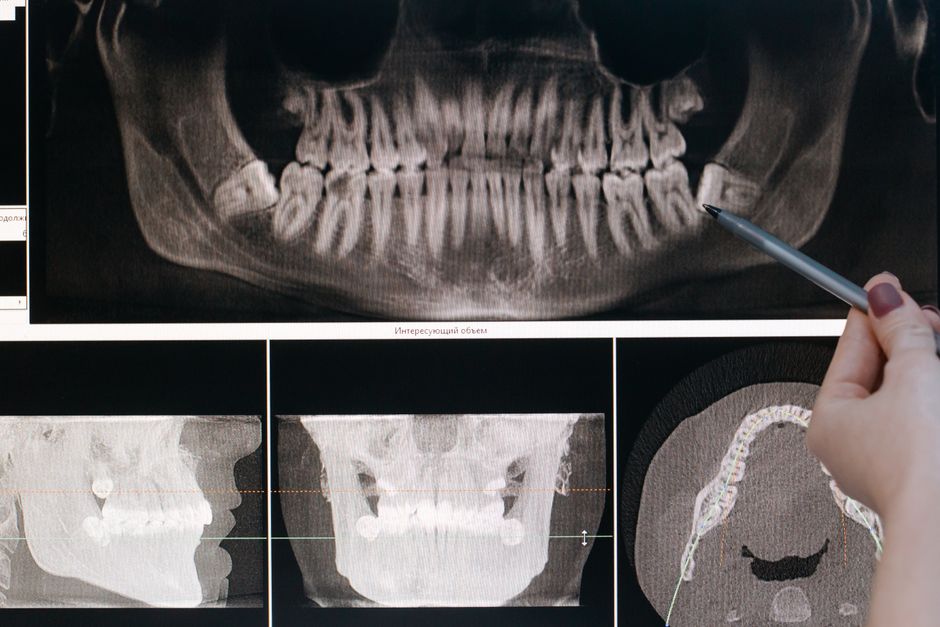
DentiLab 3D (Academic) is a powerful tool for dental visualization and implant planning. As a free dental planning software, it offers a range of features that make it an attractive option for clinics and educational institutions. However, when it comes to choosing between DentiLab 3D (Academic) and cloud-based solutions, there are several factors to consider. In this article, we will explore the benefits and drawbacks of using DentiLab 3D (Academic) and provide tips for setting up and using the software effectively.
Getting Started with DentiLab 3D (Academic)
Before diving into the features and benefits of DentiLab 3D (Academic), it’s essential to understand the installation process. The software is available for download on the official website, and the installation process is relatively straightforward. However, it’s crucial to ensure that your computer meets the system requirements to avoid any lag or performance issues.
Once installed, you can launch the software and start exploring its features. The user interface is intuitive, and the software provides a range of tutorials and guides to help you get started.
Key Features of DentiLab 3D (Academic)
DentiLab 3D (Academic) offers a range of features that make it an ideal tool for dental visualization and implant planning. Some of the key features include:
- 3D visualization and modeling
- Implant planning and simulation
- Collaboration tools for working with colleagues and patients
- Integration with other dental software
One of the standout features of DentiLab 3D (Academic) is its ability to model crowns and other dental restorations. The software provides a range of tools and templates to help you create accurate and detailed models.
How to Model Crowns in DentiLab 3D (Academic)
Modeling crowns in DentiLab 3D (Academic) is a relatively straightforward process. Here’s a step-by-step guide to get you started:
- Launch the software and select the crown template
- Import the patient’s dental data and create a 3D model
- Use the software’s tools to design and shape the crown
- Export the model for 3D printing or further analysis
It’s essential to note that DentiLab 3D (Academic) provides a range of templates and guides to help you create accurate models. However, it’s crucial to ensure that you have the necessary training and expertise to use the software effectively.
DentiLab 3D (Academic) vs Meshmixer Export
When it comes to exporting models from DentiLab 3D (Academic), there are several options available. One popular option is Meshmixer, a free 3D modeling software that allows you to edit and refine your models.
| Feature | DentiLab 3D (Academic) | Meshmixer |
|---|---|---|
| 3D modeling | ||
| Implant planning | ||
| Collaboration tools |
While both DentiLab 3D (Academic) and Meshmixer offer 3D modeling capabilities, they have different strengths and weaknesses. DentiLab 3D (Academic) is specifically designed for dental visualization and implant planning, while Meshmixer is a more general-purpose 3D modeling software.
Common Issues and Troubleshooting
Like any software, DentiLab 3D (Academic) is not immune to issues and errors. Here are some common problems and troubleshooting tips:
- Lag error: Ensure that your computer meets the system requirements and try closing other resource-intensive programs.
- Template error: Check that you have the latest version of the software and try reinstalling the template.
Conclusion:
DentiLab 3D (Academic) is a powerful tool for dental visualization and implant planning. While it offers a range of features and benefits, it’s essential to consider the potential risks and drawbacks of using the software. By following the tips and guidelines outlined in this article, you can get the most out of DentiLab 3D (Academic) and improve your dental planning and visualization workflow.