Introduction
Virtual Patient Dental is a cutting-edge dental planning tool designed to revolutionize the way dental clinics approach patient care. As a free prosthetic tool, it offers a comprehensive platform for dental visualization, implant planning, and patient education. In this article, we will delve into the features, benefits, and setup tips of Virtual Patient Dental, as well as explore its printing workflow guide and Python scripting capabilities.
Key Features of Virtual Patient Dental
Virtual Patient Dental boasts an impressive array of features that make it an indispensable tool for dental clinics. Some of its key features include:
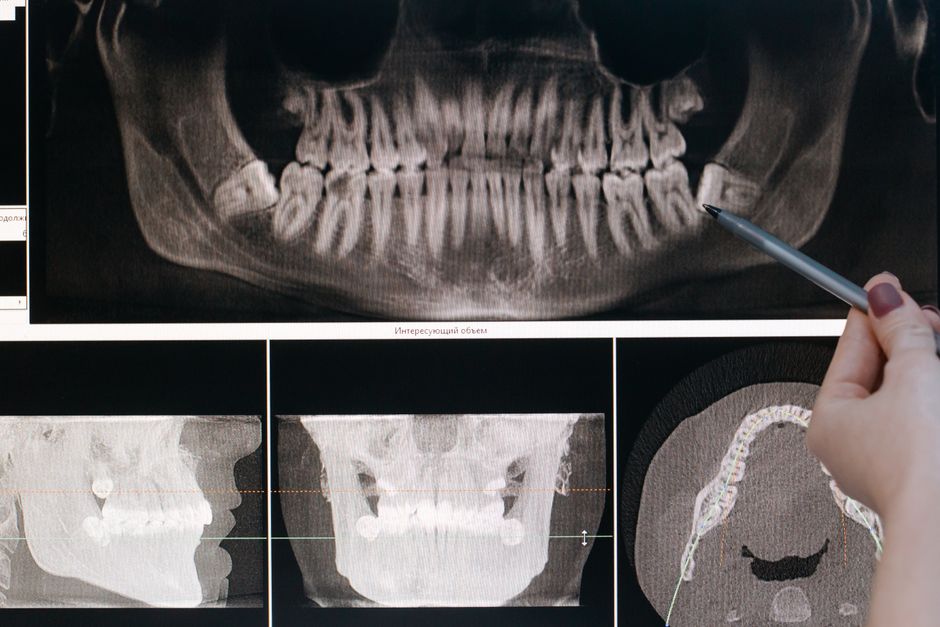
- Dental Visualization: Virtual Patient Dental allows clinicians to create detailed 3D models of patients’ teeth and gums, enabling accurate diagnosis and treatment planning.
- Implant Planning: The software facilitates precise implant placement, taking into account the patient’s anatomy and the type of implant being used.
- Patient Education: Virtual Patient Dental enables clinicians to educate patients about their treatment options, using interactive 3D models and simulations.
- Python Scripting: The software supports Python scripting, allowing users to automate tasks and create custom workflows.
Benefits of Virtual Patient Dental
Virtual Patient Dental offers numerous benefits for dental clinics, including:
- Improved Accuracy: The software’s 3D visualization capabilities enable clinicians to identify potential issues before they arise, reducing the risk of complications.
- Enhanced Patient Experience: Virtual Patient Dental’s patient education features help patients understand their treatment options, leading to increased satisfaction and better outcomes.
- Increased Efficiency: The software’s automation capabilities and customizable workflows streamline clinical workflows, reducing treatment time and costs.
Setup Tips for Virtual Patient Dental
To get the most out of Virtual Patient Dental, follow these setup tips:
- Download and Install: Download Virtual Patient Dental from the official website and follow the installation instructions.
- Configure Settings: Configure the software’s settings to suit your clinic’s needs, including setting up user accounts and customizing workflows.
- Import Patient Data: Import patient data, including 3D models and medical histories, to create comprehensive patient profiles.
Printing Workflow Guide
Virtual Patient Dental’s printing workflow guide is designed to help clinicians optimize their printing processes. Here’s an overview of the steps involved:
| Step | Description |
|---|---|
| 1 | Prepare the 3D model: Export the 3D model from Virtual Patient Dental and prepare it for printing. |
| 2 | Choose the printing material: Select the appropriate printing material, such as resin or metal, depending on the application. |
| 3 | Configure printing settings: Configure the printing settings, including layer thickness and infill density, to achieve the desired print quality. |
| 4 | Print the model: Print the 3D model using the configured settings. |
Comparison with Other Dental Software
Virtual Patient Dental stands out from other dental software in several ways. Here’s a comparison with two popular alternatives:
| Feature | Virtual Patient Dental | Dental Software A | Dental Software B |
|---|---|---|---|
| 3D Visualization | Yes | No | Yes |
| Implant Planning | Yes | No | No |
| Python Scripting | Yes | No | No |
Conclusion
Virtual Patient Dental is a powerful tool for dental clinics, offering a range of features and benefits that enhance patient care and streamline clinical workflows. With its 3D visualization capabilities, implant planning features, and Python scripting support, it stands out from other dental software. By following the setup tips and printing workflow guide outlined in this article, clinicians can get the most out of Virtual Patient Dental and take their patient care to the next level.