What is OpenAnatomy Dental Atlas?
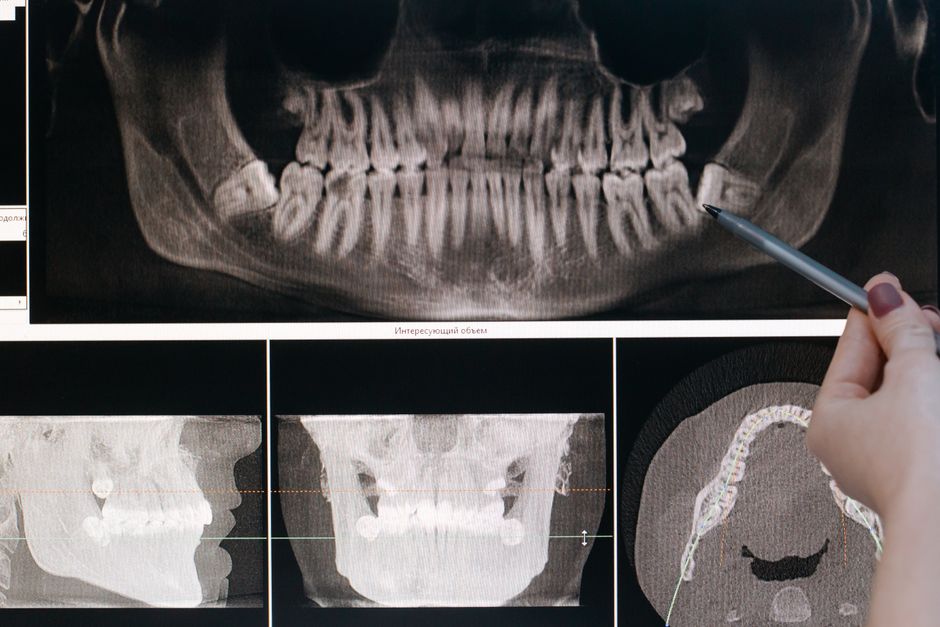
The OpenAnatomy Dental Atlas is a comprehensive educational resource designed for dental professionals and students. It provides a detailed, interactive, and immersive learning experience, allowing users to explore the intricacies of dental anatomy in a highly engaging and effective manner. This powerful tool is part of the broader efforts to enhance education and visual materials in the dental field, making it an indispensable asset for clinics, educational institutions, and individual practitioners.
Key Features of OpenAnatomy Dental Atlas
Main Features Overview
At its core, the OpenAnatomy Dental Atlas boasts several key features that set it apart as a leading educational tool. These include:
- Interactive 3D Models: Detailed, interactive 3D models of dental structures allow for a deeper understanding of dental anatomy.
- Customizable Learning Paths: Users can tailor their learning experience to fit their needs and goals.
- Realistic Simulations: Realistic simulations of dental procedures provide hands-on experience without the risks associated with real-world practice.
Technical Specifications
The OpenAnatomy Dental Atlas is designed with cutting-edge technology to ensure seamless performance and accessibility. Key technical specifications include:
| Specification | Description |
|---|---|
| Operating System | Windows, macOS, Linux |
| Processor | Quad-core processor or better |
| Memory | 8 GB RAM or more |
| Graphics | Dedicated graphics card with at least 2 GB VRAM |
Installation Guide
System Requirements
Before installing the OpenAnatomy Dental Atlas, ensure your system meets the minimum requirements outlined above. This will guarantee a smooth installation and operation process.
Step-by-Step Installation
The installation process is straightforward and user-friendly. Here’s a step-by-step guide:
- Download the OpenAnatomy Dental Atlas installation package from the official website.
- Run the installer and follow the on-screen instructions.
- Accept the terms of the license agreement.
- Select the installation location and choose whether to create a desktop shortcut.
- Wait for the installation to complete.
Migration and Backup
Safe Migration Practices
Migrating to the OpenAnatomy Dental Atlas from another system or updating to a newer version requires careful planning to ensure data integrity and continuity. Here are some best practices for safe migration:
- Backup Data: Always backup your data before initiating the migration process.
- Use Official Channels: Only use official migration tools and guides provided by the developers.
- Test Environment: Perform the migration in a test environment first to identify and resolve any potential issues.
Backup and Recovery
Regular backups are crucial for safeguarding against data loss. The OpenAnatomy Dental Atlas supports various backup and recovery options, including:
- Automatic Backups: Schedule automatic backups to ensure your data is regularly saved.
- Manual Backups: Perform manual backups before making significant changes or updates.
- Snapshot Backups: Use snapshot backups for quick recovery in case of minor issues.
Pros and Cons
Advantages of OpenAnatomy Dental Atlas
The OpenAnatomy Dental Atlas offers several advantages, including:
- Enhanced Learning Experience: Interactive and immersive learning tools.
- Customization: Tailor the learning experience to individual needs.
- Accessibility: Available on multiple platforms.
Limitations of OpenAnatomy Dental Atlas
While the OpenAnatomy Dental Atlas is a powerful tool, it also has some limitations:
- Steep Learning Curve: May require time to fully master its features.
- System Requirements: Demands significant system resources.
- Cost: May be more expensive than some alternatives.
FAQ
Frequently Asked Questions
Below are answers to some of the most frequently asked questions about the OpenAnatomy Dental Atlas:
- Q: Is the OpenAnatomy Dental Atlas available for free?
A: A free trial version is available, but the full version requires a purchase. - Q: Can I use the OpenAnatomy Dental Atlas on my tablet?
A: Yes, it is compatible with tablets, provided they meet the minimum system requirements. - Q: How do I get technical support?
A: Technical support is available through the official website and includes email support, FAQs, and community forums.